

Know Your Numbers: Why Regular Blood Pressure Checks Can Save Your Life
High blood pressure often shows no warning signs. Health experts urge every adult to check regularly and to act early.
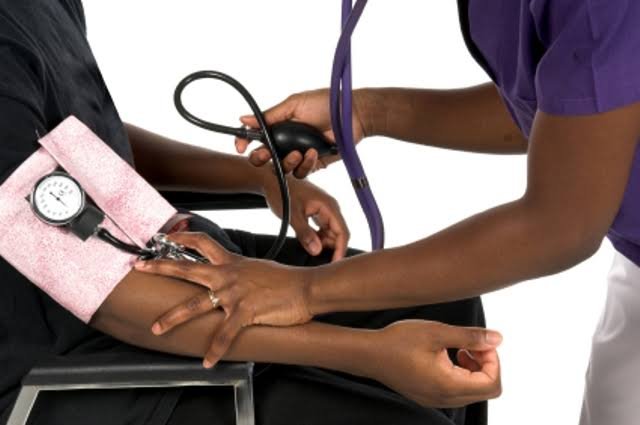
Health professionals are urging adults to make regular blood pressure checks part of their routine. High blood pressure is often called a silent condition. Many people live with it for years without pain or any clear sign that something is wrong.
Left untreated, high blood pressure can lead to stroke, heart disease and kidney problems. The encouraging news is that it is easy to measure and, in most cases, can be managed with early attention and simple changes to daily habits.
What the numbers mean
A reading is given as two numbers, such as 120/80. Readings below 120/80 are generally considered healthy. Readings of 140/90 or higher call for medical attention. A single high reading does not confirm a problem, and a doctor or nurse will usually advise on repeat checks.
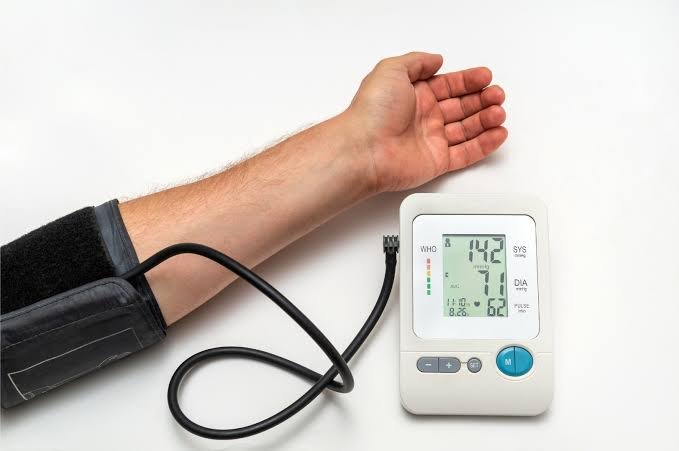
Who should check, and how often
- Every adult should have a check at least once a year.
- People over 40, and those with a family history of high blood pressure, should check more often.
- Anyone already on treatment should follow their doctor's schedule.
Simple steps for a healthier life
- Reduce salt and heavily processed foods.
- Eat more vegetables, fruit and whole foods.
- Walk or exercise for about thirty minutes on most days.
- Avoid smoking and limit alcohol.
- Take prescribed medicine as directed, even when you feel well.
Families are also encouraged to look out for older relatives. A short phone call to remind a parent or an uncle to visit a clinic costs little and may mean a great deal.
Anyone who has concerns about their blood pressure should visit a qualified health worker. Early detection remains the surest protection.